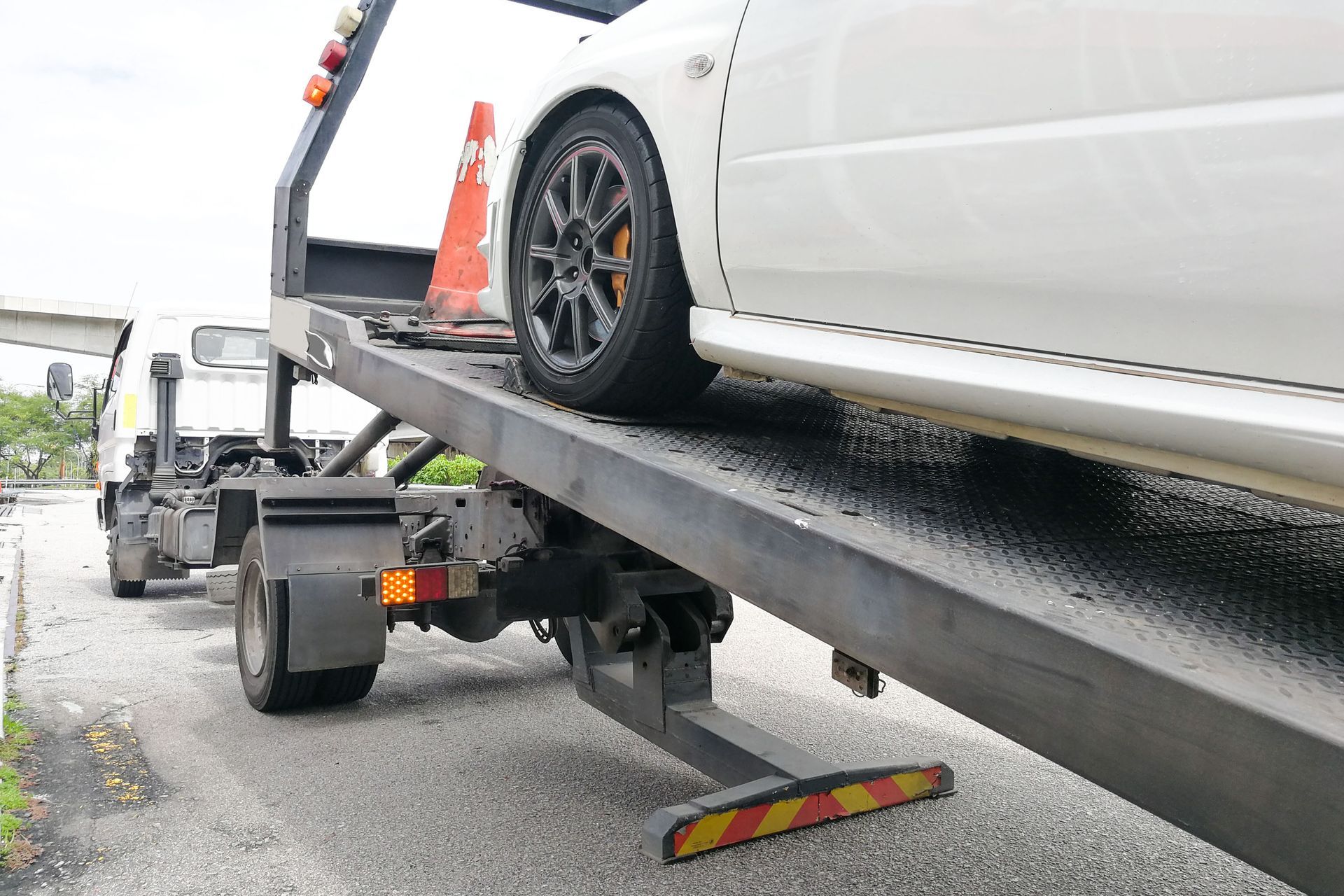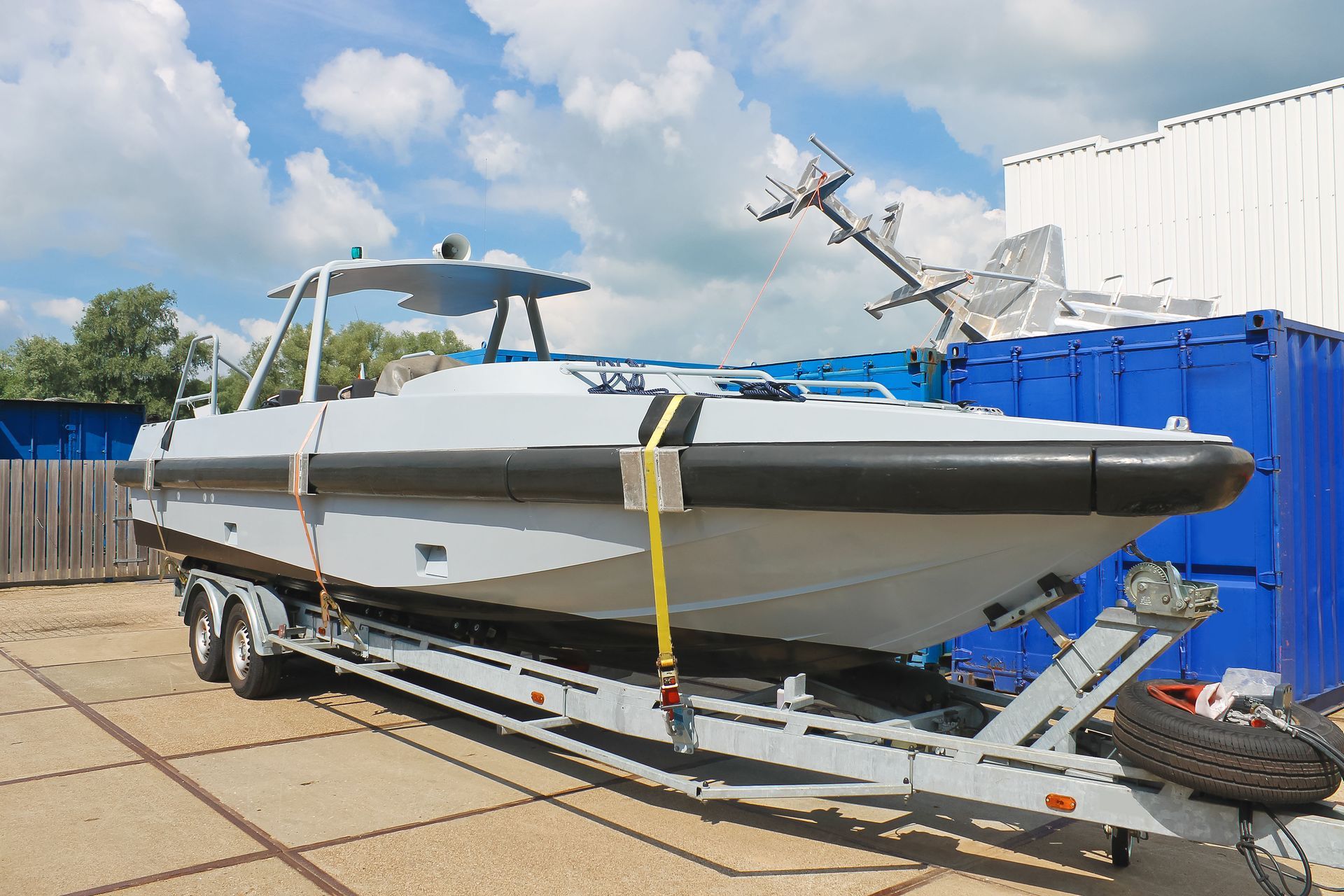
Preparing a car trailer for long-distance hauling is a critical task for ensuring both safety and efficiency. Proper preparation of your trailer can prevent damage to your vehicle and trailer while also adhering to legal requirements. Understanding the fundamental steps in trailer preparation can make a significant difference in your hauling experience. The importance of this preparation is amplified by the ever-increasing reliance on car trailers and haulers in global logistics; according to MMR Statistics, the global trailer market is predicted to grow from $84.6 billion in 2025 to $129.8 billion by 2032. This growth underscores the pivotal role that trailers play in transportation and logistics, making proper preparation and maintenance essential for anyone engaging in long-distance hauling.
1. Choosing the Right Trailer
Weight and Capacity Considerations
Correctly calculating weight and capacity is crucial to selecting the appropriate trailer. This involves understanding both the Gross Vehicle Weight Rating and the Gross Combined Weight Rating to ensure your towing setup is within legal and safety limits. Overloading a trailer can lead to dangerous consequences, such as compromised braking efficiency and trailer instability on the road. Always account for the total weight, including fuel, passengers, and any additional cargo in the towing vehicle, when assessing trailer capacity. Thoroughly understanding and adhering to these weight limits will contribute to safer and more compliant long-distance hauling.
Types of Trailers Available
There are numerous types of car trailers and haulers available, each offering advantages and disadvantages depending on the specific needs of your haul. Open trailers are favored for their simplicity and cost-effectiveness, but they may expose the vehicle to the elements during transit. On the other hand, enclosed trailers provide added security and protection from weather, making them ideal for valuable or sensitive cargo. Additionally, specialty trailers are tailored for specific vehicle types, such as motorcycles or large SUVs, ensuring that every hauling need can be met. Gaining a comprehensive understanding of each trailer type allows for informed decisions and optimized hauling performance.
Legal and Compliance Requirements
Adhering to legal and compliance requirements is non-negotiable when preparing for long-distance hauling. Regulations can vary significantly from one region to another, necessitating thorough research into the permits, registrations, and inspections required along your planned route. Regularly maintained trailers are not only safer but are more likely to pass inspections without issue. Ensuring your trailer meets all legal standards prevents unnecessary delays and potentially costly fines. Consequently, proactive compliance measures help safeguard both your load and your financial investment.
Trailer Hitch and Towing Vehicle Compatibility
The compatibility of your towing vehicle and trailer hitch setup is a fundamental component of safe hauling. Mismatched equipment can lead to difficulties in control, compromised safety, and heightened stress on your towing vehicle. Always consult your towing vehicle's manual to verify the appropriate hitch class, and ensure it aligns with the trailer being used. Diligent attention to this detail also aids in achieving optimal towing efficiency and safety while covering long distances. Establishing a compatible setup between your towing vehicle and your trailer significantly reduces risks associated with improper hitch usage.
2. Inspecting and Maintaining Trailer Equipment
Brake Systems
Functioning brake systems are essential for the safe operation of any trailer, particularly in emergency situations. Regular inspections should include examining brake pads, rotors, and any hydraulic systems employed by your trailer. Addressing issues such as worn pads or low brake fluid levels can prevent decreased braking performance and enhance overall safety. It is also important to ensure that the trailer's electrical connections, which power the braking system, are secure and operational. Consistent brake maintenance not only adheres to safety standards but also establishes peace of mind for long-distance hauling.
Lighting and Electrical Connections
Correctly functioning lights and electrical connections are critical for both legal compliance and road safety. Inspect all lighting components, including brake lights, turn signals, and marker lights, to verify proper operation. Ensuring solid connections can prevent electrical failures that might lead to unsafe or illegal road conditions. Additionally, familiarize yourself with the local lighting regulations applicable along your route, as they may differ from your home region. Keeping electrical systems in optimal condition is essential for seamless communication with other road users and prevents legal issues during your journey.
3. Loading Your Vehicle Correctly
Weight Distribution
Achieving optimal weight distribution is a cornerstone of safe and efficient trailer loading. Proper weight distribution prevents excessive pressure on the towing vehicle's axles, enhancing driving stability and preventing swaying. Correct weight placement reduces strain on both the trailer and towing vehicle, offering a smoother driving experience. By accurately distributing weight, vehicular stability and safety are maximized throughout the journey.
Center of Gravity
Maintaining a low center of gravity is crucial when loading trailers to prevent tipping hazards. Position heavier items lower on the trailer, directly over the axles if possible, to maintain equilibrium. A low center of gravity minimizes the risk of trailer rollover when navigating turns or sudden stops. Understanding cargo dynamics alongside roadway dimensions provides strategic advantages when solving potential balance issues. Through conscious positioning of the load, a stable center of gravity can be effectively obtained, bolstering road safety and driving confidence.
Use of Ramps and Loading Aids
The efficient use of ramps and loading aids can significantly ease the process of onboarding and offloading vehicles. Portable or hydraulic ramps provide elevated support, allowing vehicles to be driven onto trailers without unintended force. Employing equipment like winches and dollies reduces strain during loading procedures, contributing to safer operations. Evaluate the strength and integrity of ramps to ensure a stable loading platform. Utilizing these mechanical aids minimizes physical workload while promoting safe vehicle transport procedures.
4. Planning Your Route
Rest Stops and Fuel Stations
Strategically scheduling rest stops and visits to fueling stations optimizes travel timetables while ensuring driver vigilance. Locate fueling stations that accommodate large vehicles and offer sufficient space for maneuvering trailers. Design an itinerary that includes periodic rest breaks, aligning with regulations and health guidelines promoting alert driving practices. Consider traffic volumes and regional amenities when selecting rest locations to suit comfort needs. Integrating these considerations into your journey fortifies safety and sustains driving efficiency during extensive travels.
Legal Considerations for Various States/Regions
Intrastate and interregional journeys necessitate knowledge of varying laws governing trailer operations, given that regulations differ across geographical boundaries. Research state-specific vehicle and road regulations, including weight limits, lighting requirements, and licensing checks. Factors such as redistribution of axles, axle load tolerances, and permissible speeds warrant careful legal consideration throughout transit. Maintaining legal compliance reflects a commitment to responsible travel while avoiding fines or restrictions associated with violations. Diligence in adhering to regional codes fosters legal assurance and minimizes negative impact due to regulatory oversights.
Comprehensive preparation and maintenance of
car trailers and haulers are essential when undertaking long-distance hauling. By carefully choosing the right trailer and ensuring compatibility with your towing vehicle, you reduce the risk of mishaps. Regular inspections, meticulous loading, and strategic planning contribute to a seamless and efficient journey. Additionally, adherence to legal requirements and the implementation of defensive driving techniques optimize safety on the road. This combined approach reinforces the importance of diligence when engaging in long-distance transportation, ultimately ensuring a successful and uneventful hauling experience. If you're looking for a high-quality long-haul trailer, get in touch with Infinity Trailers of Florida today!